One of the most fascinating aspects of the FIFA World Cup is that not every defeat carries the same meaning. The ball is ROUND.
Put it this way: by the time a nation reaches the FIFA World Cup, it is already a champion in the eyes of its people. Qualifying for the tournament is an achievement in itself. It represents years of preparation, sacrifice, talent and perseverance. Simply reaching the World Cup is no easy.
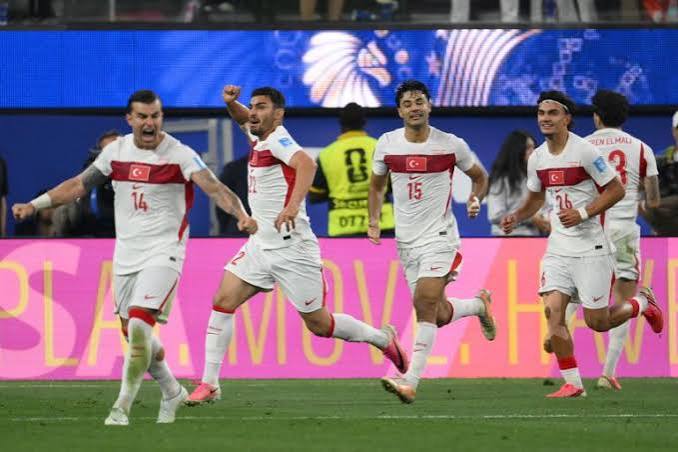
Germany lost 2–1 to Ecuador. The United States lost 3–2 to Turkey. At first glance, critics naturally questioned whether these defeats exposed weaknesses or reflected a deliberate strategy.
Both Germany and the United States had already secured their places in the Round of 32. However, there was a significant difference in their approach.
Germany fielded a largely first-choice team, including Neuer, Kimmich, Rüdiger, Musiala and Havertz. The United States, on the other hand, adopted a different strategy. Coach Mauricio Pochettino rested key players, including Christian Pulisic and other regular starters who were carrying yellow cards. The objective was clear: preserve the squad for the knockout stage rather than risk injuries or suspensions in a match that was no longer critical to qualification.
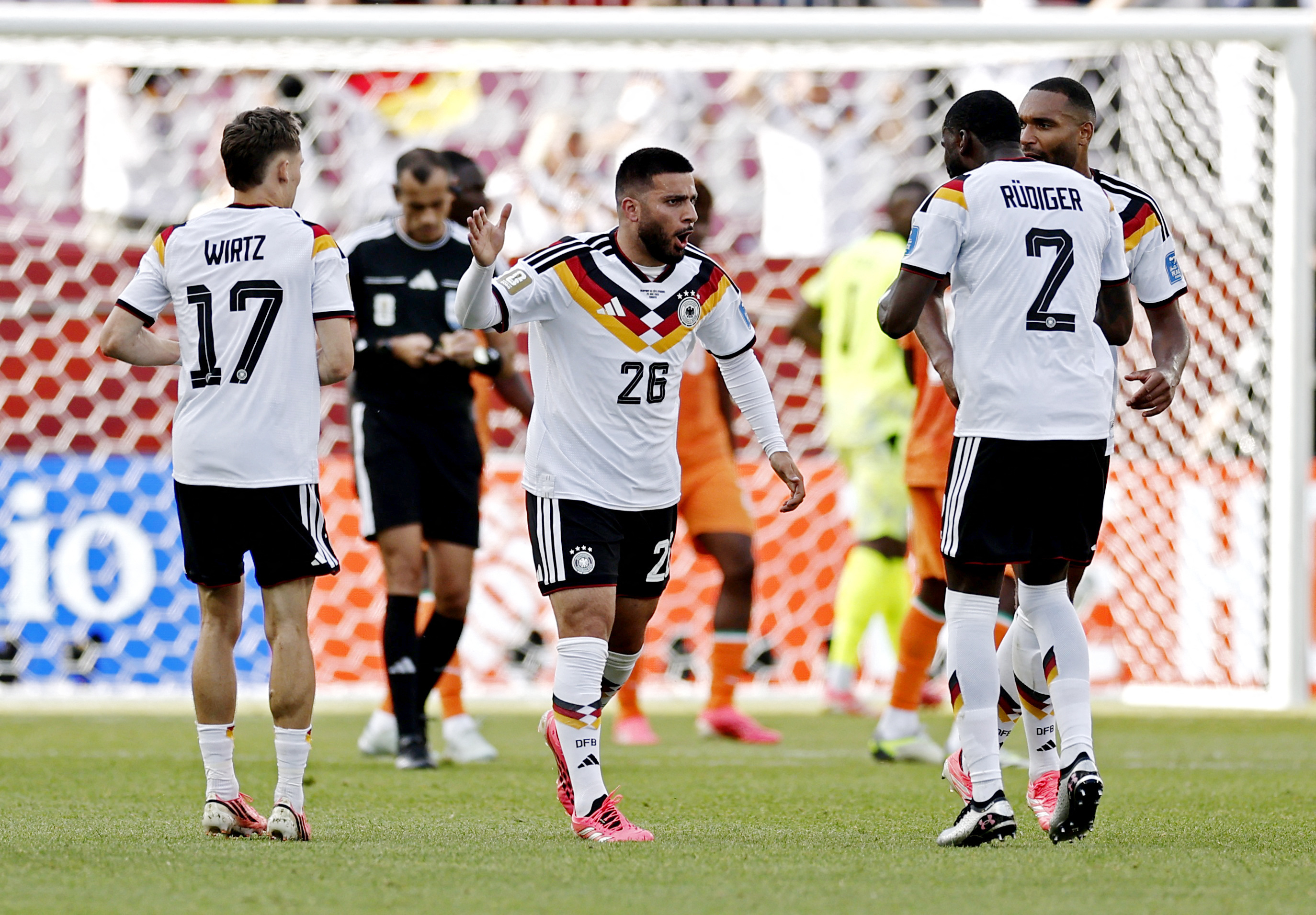
Germany’s defeat highlighted defensive vulnerabilities, lapses in concentration and perhaps a degree of complacency. Ecuador, meanwhile, played as though its tournament depended on the result because, in many respects, it did.
Although both teams lost, the reasons behind those defeats were fundamentally different.
This distinction offers an important lesson for franchising.
Too often, businesses judge success or failure solely by immediate outcomes. Yet experienced franchisors understand that every decision must be viewed through the lens of long-term objectives.
Germany: Qualification Is Not Success
Germany’s defeat represents one type of franchising challenge. Its loss reminds us that qualifying is not the same as succeeding.
A franchise brand may have achieved “qualification”. It may own registered trademarks, possess comprehensive operations manuals, have well-drafted franchise agreements and disclosure documents, and even have an established network of franchisees. Yet if it becomes complacent, competitors that remain hungry, innovative and disciplined can quickly close the gap.
Germany’s defeat teaches several important lessons for franchisors.
First, qualification is only the beginning. Obtaining franchise registration or signing franchisees is comparable to reaching the Round of 32. The real challenge lies in consistent execution, operational excellence and sustainable growth.
Second, never underestimate the challenger. Ecuador played with urgency because every point mattered. In franchising, smaller brands frequently outperform larger competitors because they innovate faster, provide stronger franchisee support and remain closer to their customers.
Third, complacency is costly. Established franchisors sometimes assume that their reputation alone will sustain growth. Meanwhile, emerging brands continue investing in training, technology, operational support and customer experience.
Finally, protect your core while remaining competitive. Just as football managers carefully manage their squads before the knockout rounds, franchisors must safeguard their people, systems and resources without compromising brand standards or customer experience.
Many successful franchise brands are built through years of dedication and hard work. They develop strong systems, recognised trademarks, experienced management teams and loyal franchisees. Ironically, success itself can become a hidden risk. Confidence gradually turns into complacency. Innovation slows. Franchisee support becomes routine rather than exceptional. Competitors that remain hungry begin to close the gap.
In franchising, market leadership today does not guarantee market leadership tomorrow.
The United States: Strategic Patience
The United States demonstrates another important aspect of franchise management. There are occasions when a franchisor deliberately chooses not to maximise short-term results because protecting long-term sustainability is more important.
I have personally witnessed this with one of my franchise clients. The franchisor made the difficult decision to temporarily halt franchise expansion in order to strengthen its internal systems. Rather than pursuing rapid growth which they can, the company focused on improving its operations, refining its training programmes and enhancing franchisee support before accepting additional franchisees.
To an outsider, such a decision may appear overly cautious. Whereas to an experienced franchisor, however, it reflects strategic discipline.
Sometimes, delaying expansion, strengthening operational capabilities, investing in technology, improving compliance or building stronger support teams creates a far more sustainable business than expanding too quickly.
Two Different Management Philosophies
The difference between Germany and the United States illustrates two very different management philosophies.
Germany reminds us that complacency can quietly erode competitive advantage. The United States reminds us that protecting key assets for the next stage of growth is often wiser than pursuing every short-term victory.
In football, the objective is not merely to win the group stage. The ultimate goal is to lift the World Cup.
Similarly, in franchising, the objective is not merely to register a franchise, open a few outlets or announce rapid expansion. The true goal is to build a franchise system that remains profitable, resilient and sustainable for decades.
The best franchisors understand when to attack the market aggressively and when to consolidate, strengthen internal systems and prepare for the next phase of growth.
That is the difference between winning a match and winning a championship. Because in franchising, as in football, not every loss is failure. Sometimes a loss is a warning. Sometimes it is a calculated strategy. The wisdom lies in knowing the difference.